AMD เปิดตัวกลุ่มผลิตภัณฑ์โปรเซสเซอร์ Ryzen AI Embedded
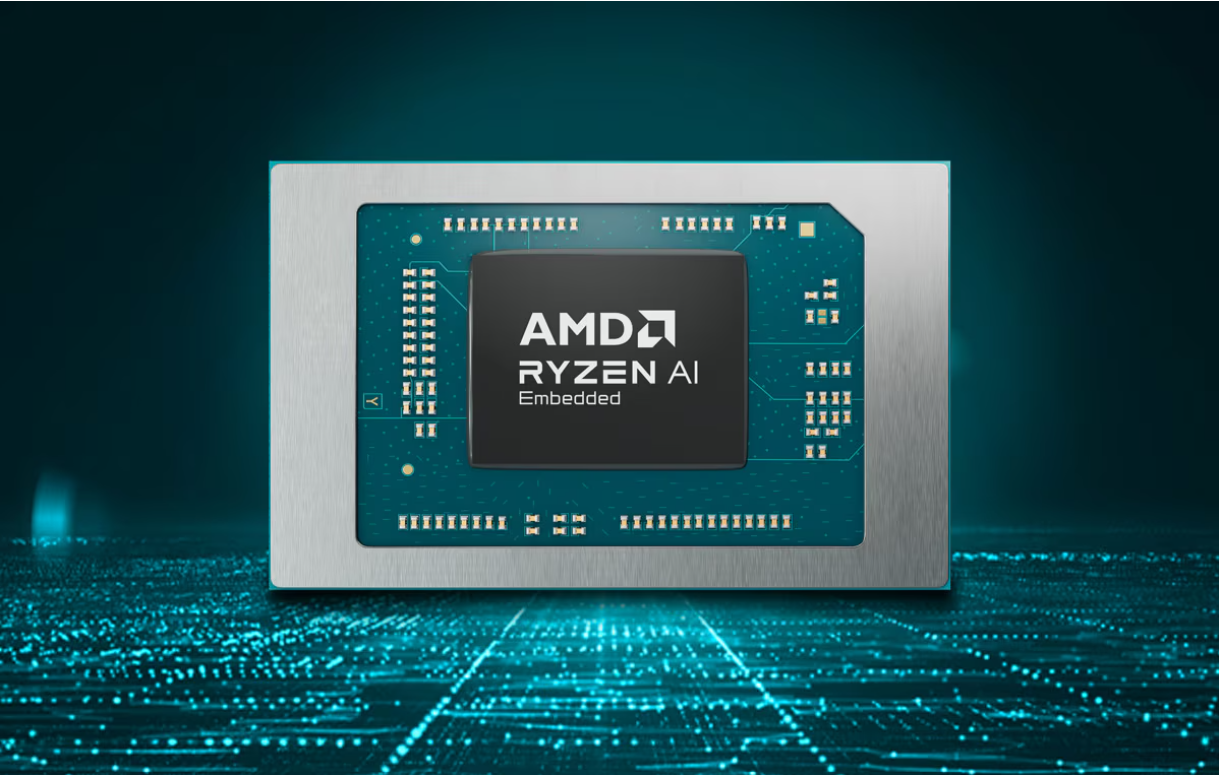
ขับเคลื่อนประสบการณ์การใช้ AI ที่สมจริงในอุตสาหกรรมยานยนต์ การผลิตและการนำ AI มาใช้ในเชิงกายภาพ (Physical AI)
What Betzoid Discovers About Football Betting Psychology and Behavior
The intersection of psychology and football betting represents one of the most fascinating areas of behavioral economics and cognitive science. As millions of people worldwide engage with football wagering, patterns emerge that reveal deep truths about human decision-making, risk perception, and emotional regulation. Understanding these psychological mechanisms has become essential for comprehending why bettors make certain choices, how cognitive biases influence outcomes, and what separates successful long-term strategies from impulsive decisions driven by emotion. The study of betting psychology has evolved significantly over the past two decades, drawing insights from neuroscience, behavioral economics, and statistical analysis to paint a comprehensive picture of the human mind under conditions of uncertainty and potential reward.
The Cognitive Biases That Shape Betting Decisions
Research into football betting behavior has identified several persistent cognitive biases that influence how people approach wagering decisions. The availability heuristic stands as one of the most powerful forces, causing bettors to overweight recent or memorable events when assessing probability. When a team scores a dramatic last-minute victory, subsequent bettors often overestimate that team's chances in their next match, despite statistical evidence suggesting regression to the mean. This bias becomes particularly pronounced following high-profile matches or unexpected results that generate extensive media coverage.
Confirmation bias operates alongside the availability heuristic, leading bettors to seek information that supports their pre-existing beliefs while dismissing contradictory evidence. A supporter of a particular team may focus exclusively on positive statistics—recent wins, home advantage, or key player returns—while ignoring defensive vulnerabilities, injury concerns, or unfavorable historical matchups. This selective attention creates a distorted risk assessment that bears little resemblance to objective probability calculations.
The gambler's fallacy represents another critical psychological trap in football betting. This misconception leads people to believe that past independent events influence future outcomes in ways that violate basic probability principles. After a team loses several consecutive matches, bettors often assume a win is "due," failing to recognize that each match represents an independent event with its own contextual variables. Conversely, the hot hand fallacy causes bettors to perceive patterns in random sequences, believing that a winning streak indicates skill or momentum rather than statistical variance.
Emotional Regulation and Loss-Chasing Behavior
The emotional dimension of football betting psychology reveals perhaps the most consequential aspects of betting behavior. Loss aversion, a principle identified by psychologists Daniel Kahneman and Amos Tversky, demonstrates that people experience the pain of losses approximately twice as intensely as the pleasure of equivalent gains. This asymmetry drives problematic betting patterns, particularly the phenomenon of loss-chasing, where bettors increase stake sizes or make increasingly risky wagers in attempts to recover previous losses.
Platforms that analyze betting behavior, including Betzoid, have documented how emotional states significantly impact decision quality and risk tolerance. Bettors experiencing frustration after losses often abandon carefully considered strategies in favor of impulsive decisions based on emotional reasoning rather than statistical analysis. This emotional hijacking of rational processes becomes particularly evident during live betting, where the immediacy of match action and the availability of in-play wagering options create conditions for rapid, poorly considered decisions.
The concept of tilt, borrowed from poker psychology, applies equally to football betting. When bettors enter a tilted state—characterized by emotional dysregulation, impaired judgment, and deviation from established strategies—they become vulnerable to a cascade of poor decisions. Research indicates that the physiological stress response triggered by significant losses can impair executive function for extended periods, sometimes affecting decision-making quality for hours or even days following the initial emotional trigger.
Social Influences and Group Psychology in Betting Markets
Football betting does not occur in isolation but within complex social contexts that shape individual behavior. Social proof, the tendency to adopt beliefs and behaviors observed in others, creates herding effects in betting markets. When large volumes of money move toward a particular outcome, subsequent bettors often interpret this market movement as information, assuming that others possess knowledge they lack. This creates feedback loops where prices shift not based on new objective information about match probabilities but purely on the momentum of market sentiment.
Online betting communities and social media platforms have amplified these social dynamics. Bettors share tips, predictions, and results, creating environments where social validation becomes intertwined with betting decisions. The desire for social approval can override individual analysis, particularly when influential personalities or perceived experts advocate for specific wagers. This social dimension introduces additional psychological complexity, as bettors must navigate not only their own cognitive biases but also the collective biases of their reference groups.
The phenomenon of public betting percentages reveals how professional bettors exploit social psychology. When casual bettors overwhelmingly favor popular teams or obvious outcomes, sharp bettors often identify value in contrarian positions. This dynamic reflects a fundamental insight: the wisdom of crowds breaks down when crowd members share similar biases, information sources, and emotional attachments. Understanding these social patterns has become essential for anyone seeking to navigate betting markets effectively.
โปรเซสเซอร์รุ่นใหม่ AMD Ryzen™ AI Embedded ซีรีส์ P100 และ X100 ผสานพลังแกนประมวลผล CPU “Zen 5” ประสิทธิภาพสูง, สถาปัตยกรรมกราฟิกการ์ด AMD RDNA™ 3.5 และสถาปัตยกรรม NPU AMD XDNA™ 2 เพื่อการเร่งความเร็ว AI ที่ช่วยด้านการประหยัดพลังงาน
มอบการประมวลผลด้าน AI ที่เพิ่มประสิทธิภาพการประหยัดพลังงานและความหน่วงต่ำในชิปเดียว สำหรับประสบการณ์ภายในยานยนต์ที่สมจริง ระบบอัตโนมัติในอุตสาหกรรม และการนำ AI มาประยุกต์ใช้เพื่อควบคุมสั่งการ (physical AI) ระบบไร้คนขับ
AMD เปิดตัวโปรเซสเซอร์ Ryzen AI Embedded ซีรีส์ P100 ที่มาพร้อม CPU 4-6 คอร์, ประสิทธิภาพ GPU เร็วขึ้น 35% และประสิทธิภาพ AI สูงสุด 50 TOPS
กรุงเทพฯ, ประเทศไทย -- 12 มกราคม 2569 - AMD (NASDAQ: AMD) เปิดตัวโปรเซสเซอร์ AMD Ryzen™ AI Embedded ซึ่งเป็นกลุ่มผลิตภัณฑ์ใหม่ของโปรเซสเซอร์ x86 แบบฝังตัว (embedded) ที่ออกแบบมาเพื่อขับเคลื่อนแอปพลิเคชันด้าน AI ที่อุปกรณ์ปลายทาง (edge) ตั้งแต่ห้องโดยสารดิจิทัลในยานยนต์และการดูแลสุขภาพอัจฉริยะ ไปจนถึงด้าน physical AI สำหรับระบบไร้คนขับและหุ่นยนต์ ฮิวแมนนอยด์ โปรเซสเซอร์ซีรีส์ P100 และ X100 ใหม่นี้จะช่วยให้ OEM, ซัพพลายเออร์ชั้นนำ และนักพัฒนาระบบ/ซอฟต์แวร์ในตลาดยานยนต์และอุตสาหกรรม ได้รับประสิทธิภาพสูงและการประมวลผล AI ที่มีประสิทธิภาพ ในแพ็คเกจ BGA (ball grid array) ขนาดกะทัดรัด สำหรับระบบฝังตัวที่มีข้อจำกัดด้านพื้นที่มากที่สุด
โปรเซสเซอร์นี้ได้ผสานรวมสถาปัตยกรรมแกนประมวลผล “Zen 5” ประสิทธิภาพสูงเพื่อประสิทธิภาพชิป x86 ที่ปรับสเกลได้และให้การควบคุมที่แม่นยำ (deterministic control), กราฟิกการ์ด RDNA 3.5 สำหรับการแสดงผลภาพและกราฟิกแบบเรียลไทม์ และ NPU XDNA 2 เพื่อเร่งความเร็วด้าน AI ที่มีความหน่วงต่ำและใช้พลังงานน้อย ซึ่งทั้งหมดนี้รวมอยู่ในชิปเพียงตัวเดียว
Salil Raje รองประธานอาวุโสและผู้จัดการทั่วไปฝ่าย AMD Embedded กล่าวว่า “ในขณะที่อุตสาหกรรมต่าง ๆ ผลักดันประสบการณ์ด้าน AI ที่สมจริงยิ่งขึ้นและการประมวลผลอัจฉริยะบนตัวอุปกรณ์ที่รวดเร็วขึ้น พวกเขาต้องการประสิทธิภาพด้านการประมวลผลที่สูงขึ้นโดยไม่เพิ่มความซับซ้อนให้กับระบบ กลุ่มผลิตภัณฑ์ Ryzen AI Embedded รวบรวมขีดความสามารถในระดับผู้นำของทั้ง CPU, GPU และ NPU มารวมกันไว้ในอุปกรณ์เดียว ช่วยให้ระบบยานยนต์ อุตสาหกรรม และระบบไร้คนขับ มีความชาญฉลาดและตอบสนองได้ดียิ่งขึ้น”
กลุ่มผลิตภัณฑ์นี้ประกอบด้วย โปรเซสเซอร์ซีรีส์ P100 ซึ่งมุ่งเน้นไปที่ประสบการณ์การใช้งานภายในยานยนต์และระบบอัตโนมัติในอุตสาหกรรม และ โปรเซสเซอร์ซีรีส์ X100 ที่มีจำนวนคอร์ CPU สูงกว่าและประสิทธิภาพ AI TOPS ที่มากกว่า สำหรับงานด้าน Physical AI และระบบไร้คนขับที่ต้องการประสิทธิภาพสูงกว่า
ออกแบบมาเพื่อประสบการณ์การใช้งานภายในยานยนต์โดยเฉพาะ
AMD เปิดตัวโปรเซสเซอร์ซีรีส์ P100 มาพร้อมคอร์ประมวลผล 4-6 คอร์ ได้รับการปรับแต่งมาเพื่อห้องโดยสารดิจิทัลยุคใหม่และ HMI (human-machine interfaces) รองรับกราฟิกแบบเรียลไทม์สำหรับจอแสดงผล Infotainment ในรถยนต์, การโต้ตอบที่ขับเคลื่อนด้วย AI และการตอบสนองแบบ multi-domain โดยมอบประสิทธิภาพด้าน multi-thread และ single-thread สูงขึ้นถึง 2.2 เท่าเมื่อเทียบกับรุ่นก่อนหน้า มั่นใจได้ในการควบคุมที่แม่นยำในแพ็คเกจ BGA ขนาดกะทัดรัด 25x40 มม. ด้วยช่วงการทำงาน 15-54 วัตต์ และรองรับอุณหภูมิสภาพแวดล้อมตั้งแต่ -40°C ถึง +105°C จึงเหมาะสำหรับระบบปลายทางที่ต้องสมบุกสมบัน มีข้อจำกัดด้านพลังงานและพื้นที่ และรองรับอายุการใช้งานยาวนานถึง 10 ปี
กราฟิกที่สมจริงและการเร่งความเร็ว AI บนอุปกรณ์
โปรเซสเซอร์ซีรีส์ P100 ผสานรวมร่วมกันกับกราฟิกการ์ด RDNA 3.5 มอบการเรนเดอร์ภาพเร็วขึ้นสูงสุด 35% รองรับการแสดงผลหน้าจอดิจิทัลความละเอียด 4K สูงสุด 4 จอ (หรือ 8K 2 จอ) พร้อมกันที่ 120 เฟรมต่อวินาที โดยมีตัวแปลงสัญญาณวิดีโอของ AMD ช่วยให้การสตรีมมิ่งมีความคมชัดสูง ความหน่วงต่ำ และทำงานได้อย่างลื่นไหลโดยไม่ทำให้โปรเซสเซอร์ต้องทำงานหนักเกินไป
NPU รุ่นถัดไปในสถาปัตยกรรม XDNA 2 มอบประสิทธิภาพการประมวลผลสูงสุดถึง 50 TOPS ทำให้ประสิทธิภาพด้านการอนุมาน AI สูงขึ้นถึง 3 เท่า โดยสถาปัตยกรรม XDNA 2 ได้ผสานรวมความเข้าใจในเสียง ท่าทาง และสัญญาณจากสภาพแวดล้อม โดยใช้โมเดล AI ที่รองรับ รวมถึงโมเดล AI ด้านภาพและการมองเห็น (vision transformers), โมเดลภาษาอัจฉริยะขนาดเล็ก (compact LLMs) และการจำแนกรูปภาพผ่านโครงข่ายประสาทเทียม (CNNs)
ซอฟต์แวร์สแต็กแบบเปิดและปลอดภัย เพื่อการออกแบบระบบที่รวดเร็วยิ่งขึ้น
โปรเซสเซอร์ Ryzen AI Embedded มอบสภาพแวดล้อมการพัฒนาที่สอดคล้องกันด้วยชุดซอฟต์แวร์ที่เป็นหนึ่งเดียวครอบคลุมทั้ง CPU, GPU และ NPU นักพัฒนาจะได้รับประโยชน์จาก Library ของโปรเซสเซอร์ที่ปรับแต่งมาแล้ว, API ของกราฟิกการ์ดมาตรฐานเปิด และ Native XDNA AI ที่เปิดใช้งานผ่านซอฟต์แวร์ Ryzen AI ตามช่วงเวลาที่โปรแกรมกำลังทำงานอยู่ (runtime)
ชุดซอฟต์แวร์ทั้งหมดสร้างขึ้นบนเฟรมเวิร์กเสมือนแบบโอเพนซอร์สบนพื้นฐาน Xen ซึ่งแยกโดเมนระบบปฏิบัติการหลายตัวออกจากกันอย่างปลอดภัย ช่วยให้สามารถรัน Yocto หรือ Ubuntu สำหรับระบบ HMI และ FreeRTOS เพื่อจัดการการควบคุมแบบเรียลไทม์ และรัน Android หรือ Windows เพื่อรองรับแอปพลิเคชันที่มีความซับซ้อนมากยิ่งขึ้น ทั้งหมดนี้ทำงานขนานกันได้อย่างปลอดภัย ด้วยรากฐานโอเพนซอร์ส การรองรับ OS แบบระยะยาว และสถาปัตยกรรมที่ออกแบบมาให้รองรับมาตรฐาน ASIL-B จะช่วยลดต้นทุนให้กับลูกค้า ปรับแต่งได้ง่าย และเร่งกระบวนการสู่การผลิตจริงในอุตสาหกรรมยานยนต์และอุตสาหกรรมอื่น ๆ
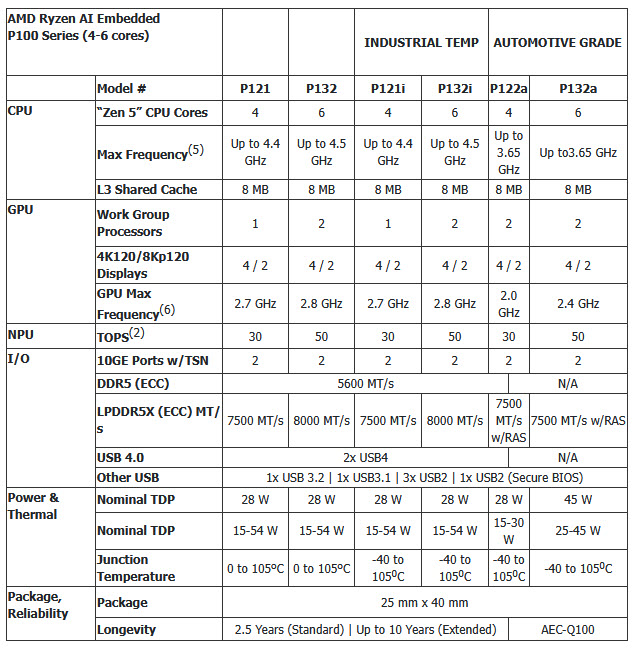
การวางจำหน่ายผลิตภัณฑ์
โปรเซสเซอร์ AMD Ryzen AI Embedded P100 รุ่น 4-6 คอร์ กำลังส่งมอบตัวอย่างให้ลูกค้ากลุ่ม Early Access พร้อมเครื่องมือและเอกสารประกอบการใช้งาน คาดว่าจะเริ่มการผลิตและจัดส่งจริงในช่วงไตรมาสที่ 2 ของปีหน้า ส่วนโปรเซสเซอร์ซีรีส์ P100 รุ่น 8-12 คอร์ สำหรับงานระบบอัตโนมัติในอุตสาหกรรม คาดว่าจะเริ่มส่งมอบตัวอย่างในช่วงไตรมาสที่ 1 ของปีหน้า และสำหรับการส่งมอบตัวอย่างของโปรเซสเซอร์ซีรีส์ X100 ซึ่งมีสูงสุด 16 คอร์ คาดว่าจะเริ่มในช่วงครึ่งแรกของปีหน้า
About AMD
AMD (NASDAQ: AMD) drives innovation in high-performance and AI computing to solve the world’s most important challenges. Today, AMD technology powers billions of experiences across cloud and AI infrastructure, embedded systems, AI PCs and gaming. With a broad portfolio of AI-optimized CPUs, GPUs, networking and software, AMD delivers full-stack AI solutions that provide the performance and scalability needed for a new era of intelligent computing. Learn more at www.amd.com.


